
 Game Development
  Game Art
 Resource Augmentation
 VR/XR Simulation
Top 10 Game Development Companies in Noida
Noida has quickly grown into one of India’s most active game production hubs, with studios working across mobile, multiplayer, simulation, and emerging tech-driven experiences.

Select the Categories
Noida has quickly grown into one of India’s most active game production hubs, with studios working across mobile, multiplayer, simulation, and emerging tech-driven experiences.

Unreal Engine has moved from being a high-end option to a default choice for studios building visually rich, performance-critical games. As adoption accelerates, decision-makers are now evaluating Unreal game development companies not just on engine familiarity, but on their ability to ship stable, scalable products. This shift is backed by market momentum. The global game engine market is projected to reach USD 12.84 billion by 2033, growing at a 17.85% CAGR, with engines such as Unreal and Unity driving much of this expansion across mobile, PC, and console platforms.
Finding the best game development companies in India has become less about availability and more about judgment. With studios offering everything from mobile games to complex multiplayer and immersive experiences, the real challenge is understanding who can consistently execute at a high level.

This guide explains how mobile game development outsourcing works in 2026 as a structured production strategy rather than a short-term cost tactic, detailing how studios split ownership, govern execution, and scale live-ops delivery without losing IP or roadmap control. It breaks down full-cycle, co-development, and dedicated team models; clarifies what mobile-specific constraints—device fragmentation, store compliance, backend dependency, and rapid release cadence—mean for outsourcing; and outlines the end-to-end lifecycle from scope definition through QA, store readiness, launch, and post-launch support. The article also analyzes real cost ranges by complexity and geography, identifies hidden budget drivers and execution risks, compares leading outsourcing companies, and provides a practical evaluation framework so studios can scale production predictably while protecting quality, monetization systems, and long-term product stability.

This blog explores how game development outsourcing has evolved into a strategic production decision in 2026 rather than a simple cost-saving tactic, outlining the engagement models, execution risks, cost structures, and best practices studios must understand to scale without losing technical or creative control. It breaks down project-based, dedicated team, co-development, and hybrid models; examines average outsourcing costs across features, art, full-cycle production, and milestones; and provides a practical, end-to-end framework covering scoping, onboarding, sprint governance, QA, LiveOps, and IP protection. The article also compares leading outsourcing companies, explains how to evaluate vendor fit based on pipeline maturity and engine alignment, and positions outsourcing as a long-term production system where ownership, milestone validation, and architectural control determine ROI more than hourly rates.

Unity still matters in 2026 because it sits at the intersection of speed, scale, and accessibility. If you’re building for mobile, experimenting with live features, or shipping across platforms without overextending your team, Unity game development remains one of the most practical paths forward. That relevance is reflected in the broader engine economy as well.

This guide examines how outsourcing video game development in 2026 has evolved from a cost-cutting tactic into a core production strategy that directly impacts build stability, live-service scalability, and long-term IP control. It explains what can and should be outsourced across engineering, art, multiplayer systems, QA, certification, and LiveOps—while clarifying which elements must remain in-house to protect creative vision and architecture. The blog compares full-cycle, task-specific, co-development, and hybrid models; outlines internal preparation checklists and execution best practices; highlights common risks and red flags; evaluates leading outsourcing companies; and breaks down realistic cost ranges and ROI logic so studios can scale production without sacrificing governance, quality, or delivery predictability.

The leading players in the video game industry have consistently been AAA game companies. These major development firms establish innovation, creativity, and player engagement standards. This blog will explore the distinctive role of Europe, renowned for its vibrant gaming history and exceptional studios, in the realm of AAA game development studios.
You’ve got a solid game idea, early traction, and real pressure to ship fast. But when you try to hire Roblox game developer, everything suddenly feels unclear. Portfolios look flashy, timelines sound optimistic, and no one explains how production really works.
Austin is no longer just a tech-forward city with a few game studios on the side. It is now home to teams building AAA co-development pipelines, multiplayer systems, and immersive VR experiences for global publishers and startups alike.

Across internal teams, distributed co-development groups, and multi-studio collaborations, the same issue shows up again and again: teams optimize for how art looks, but underestimate how art behaves once real production pressure begins.

The board game industry is projected to reach $34 billion by 2032, but not all game types grow equally. Cooperative games expand at 12.1% annually, while traditional competitive games grow at 8%. This strategic guide breaks down core board game types, mechanics, and market segments, showing publishers and creators how to position their designs in a market where 80% of Kickstarter tabletop projects succeeded in 2025.

Choosing the right art and design tools can make or break your game development timeline. In 2026, the landscape has transformed dramatically—Unreal Engine dominates with 65% professional adoption, procedural workflows have become essential, and AI tools are used by 73% of studios. But the real game-changer? Studios using optimized tool pipelines report 40% productivity gains and 30% fewer revisions. This comprehensive guide breaks down the essential software for 3D modeling, texturing, animation, and procedural generation, with budget recommendations for indie developers through AAA studios. Whether you’re working solo or leading a team, discover which tools deliver measurable ROI and how to build a pipeline that accelerates production without burning through your budget.

Discover the top game art outsourcing companies, offering a wide variety of services that make your project stand out. Game art types like 2D, 3D as well as Low Poly, Cartoon, and Hand-Painting- our experts can create them all using tools like Maya, Blender, and others, resulting in tailor-made vivid visuals for the project.
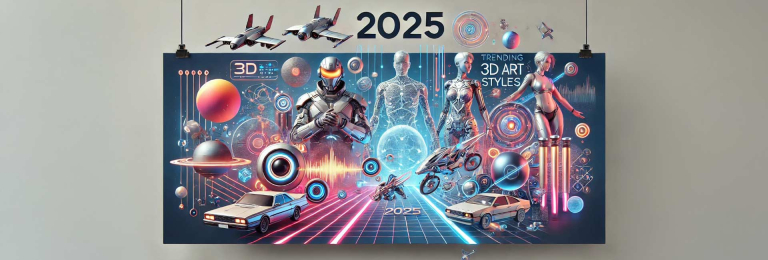
Selecting the perfect 3D art design for your game can be a complex process, requiring careful decisions about style and how to make your project truly distinctive. With a vast array of options and no clear roadmap, it’s easy to mimic existing trends, risking your game becoming just another face in the crowd.

You know what’s common between Toy Story, Avatar, Super Mario Odyssey? They’re all created by implementing different types of 3D animation. Let’s understand how you can leverage various 3D animation styles to help your project.

A well-structured game art portfolio is the key to entering and advancing in the video game industry. This guide by Juego Studios explains how to build a professional, industry-ready portfolio—covering curation, specialization, presentation, and common pitfalls to avoid. Whether you are a beginner or an experienced artist, discover how to showcase your creative and technical skills effectively to meet studio expectations.
Outsourcing game art has evolved from a cost-saving tactic to a strategic advantage. In 2025, leading studios leverage global talent, advanced workflows, and AI-driven production to accelerate timelines, reduce costs, and enhance creative quality. This guide explores how outsourcing empowers studios to scale smarter, manage risks efficiently, and stay competitive in an ever-evolving gaming landscape.

Visual consistency is the backbone of any successful game. Players expect immersive worlds where every asset feels like it belongs. Maintaining this visual consistency in game development is one of the biggest challenges when working with external art teams.
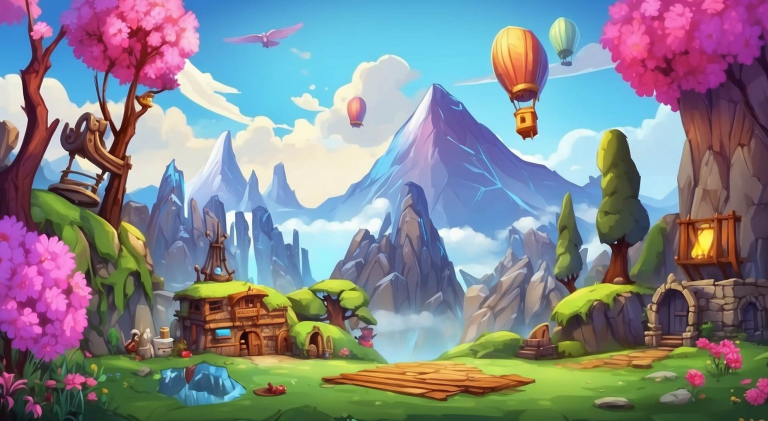
The first element we notice when playing a game is the graphics. The aesthetics of the game are what initially attracts the users. They remain hooked to the game when the animation is fluid, and the graphics are in sync with the storyline. But the concept of good graphics is contextual.
Noida has quickly grown into one of India’s most active game production hubs, with studios working across mobile, multiplayer, simulation, and emerging tech-driven experiences.
Finding the best game development companies in India has become less about availability and more about judgment. With studios offering everything from mobile games to complex multiplayer and immersive experiences, the real challenge is understanding who can consistently execute at a high level.

This blog explores how game development outsourcing has evolved into a strategic production decision in 2026 rather than a simple cost-saving tactic, outlining the engagement models, execution risks, cost structures, and best practices studios must understand to scale without losing technical or creative control. It breaks down project-based, dedicated team, co-development, and hybrid models; examines average outsourcing costs across features, art, full-cycle production, and milestones; and provides a practical, end-to-end framework covering scoping, onboarding, sprint governance, QA, LiveOps, and IP protection. The article also compares leading outsourcing companies, explains how to evaluate vendor fit based on pipeline maturity and engine alignment, and positions outsourcing as a long-term production system where ownership, milestone validation, and architectural control determine ROI more than hourly rates.

This guide examines how outsourcing video game development in 2026 has evolved from a cost-cutting tactic into a core production strategy that directly impacts build stability, live-service scalability, and long-term IP control. It explains what can and should be outsourced across engineering, art, multiplayer systems, QA, certification, and LiveOps—while clarifying which elements must remain in-house to protect creative vision and architecture. The blog compares full-cycle, task-specific, co-development, and hybrid models; outlines internal preparation checklists and execution best practices; highlights common risks and red flags; evaluates leading outsourcing companies; and breaks down realistic cost ranges and ROI logic so studios can scale production without sacrificing governance, quality, or delivery predictability.
You’ve got a solid game idea, early traction, and real pressure to ship fast. But when you try to hire Roblox game developer, everything suddenly feels unclear. Portfolios look flashy, timelines sound optimistic, and no one explains how production really works.
Austin is no longer just a tech-forward city with a few game studios on the side. It is now home to teams building AAA co-development pipelines, multiplayer systems, and immersive VR experiences for global publishers and startups alike.
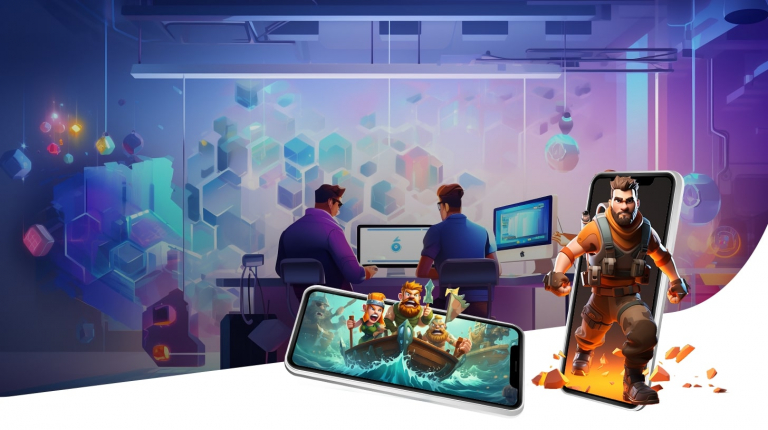
Make your game concept stand out and become a profitable and engaging project by hiring the best game developers in San Francisco. Experts use Unity, Unreal, Godot, Phaser, Pixi.JS, and similar software to deliver engaging games.

In this blog, we’ll discuss the top 10 game development companies in USA, along with how to evaluate them beyond surface-level claims, so you can identify partners who actually align with your vision, technical needs, and long-term growth goals.
Gurgaon has quickly evolved into a high-output game production hub, with studios building everything from mobile-first titles and real-money platforms to multiplayer and live-service games for global markets.
Mumbai’s gaming ecosystem has moved well beyond experimentation. Projects today come with real budgets, fixed timelines, and expectations around production quality, scalability, and polish. In a city where entertainment and technology intersect, execution is no longer optional.

This guide explains how mobile game development outsourcing works in 2026 as a structured production strategy rather than a short-term cost tactic, detailing how studios split ownership, govern execution, and scale live-ops delivery without losing IP or roadmap control. It breaks down full-cycle, co-development, and dedicated team models; clarifies what mobile-specific constraints—device fragmentation, store compliance, backend dependency, and rapid release cadence—mean for outsourcing; and outlines the end-to-end lifecycle from scope definition through QA, store readiness, launch, and post-launch support. The article also analyzes real cost ranges by complexity and geography, identifies hidden budget drivers and execution risks, compares leading outsourcing companies, and provides a practical evaluation framework so studios can scale production predictably while protecting quality, monetization systems, and long-term product stability.

Building a successful mobile game is no easy task; it takes the right creativity, technical ability and with India’s ever-growing gaming industry, more mobile game development companies are now than ever vying for attention.

Game development challenges are an inherent part of creating immersive and engaging gaming experiences. From crafting compelling narratives to integrating cutting-edge graphics and mechanics, the process demands creativity, technical expertise, and seamless collaboration.

New to gaming? You may be thinking about whether to begin with mobile or console gaming. Both alternatives provide unique benefits: mobile games allow you to play anywhere and at any time, whereas consoles provide rich, engrossing experiences.

The game development industry is driven by relentless creativity and technological advancements. As developers strive to create more immersive, engaging, and visually stunning experiences, adopting cutting-edge technologies has become a cornerstone of modern game design and production.
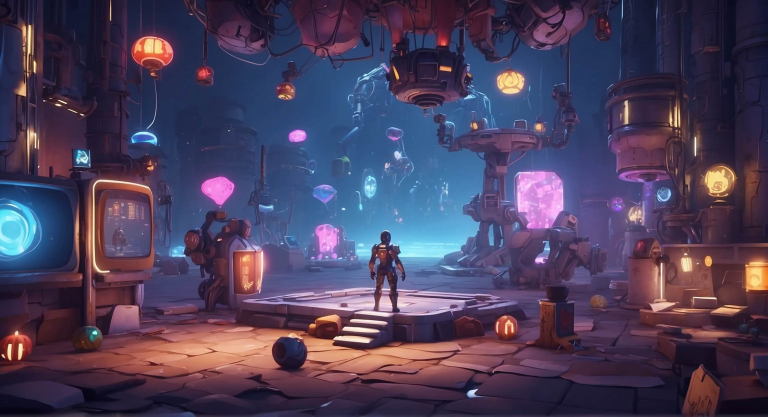
Have you noticed how mobile games get more complex with every level but just enough so you keep your interest? Mobile games have come a long way, be it an endless runner game or a 3-match game, courtesy of AI technology.
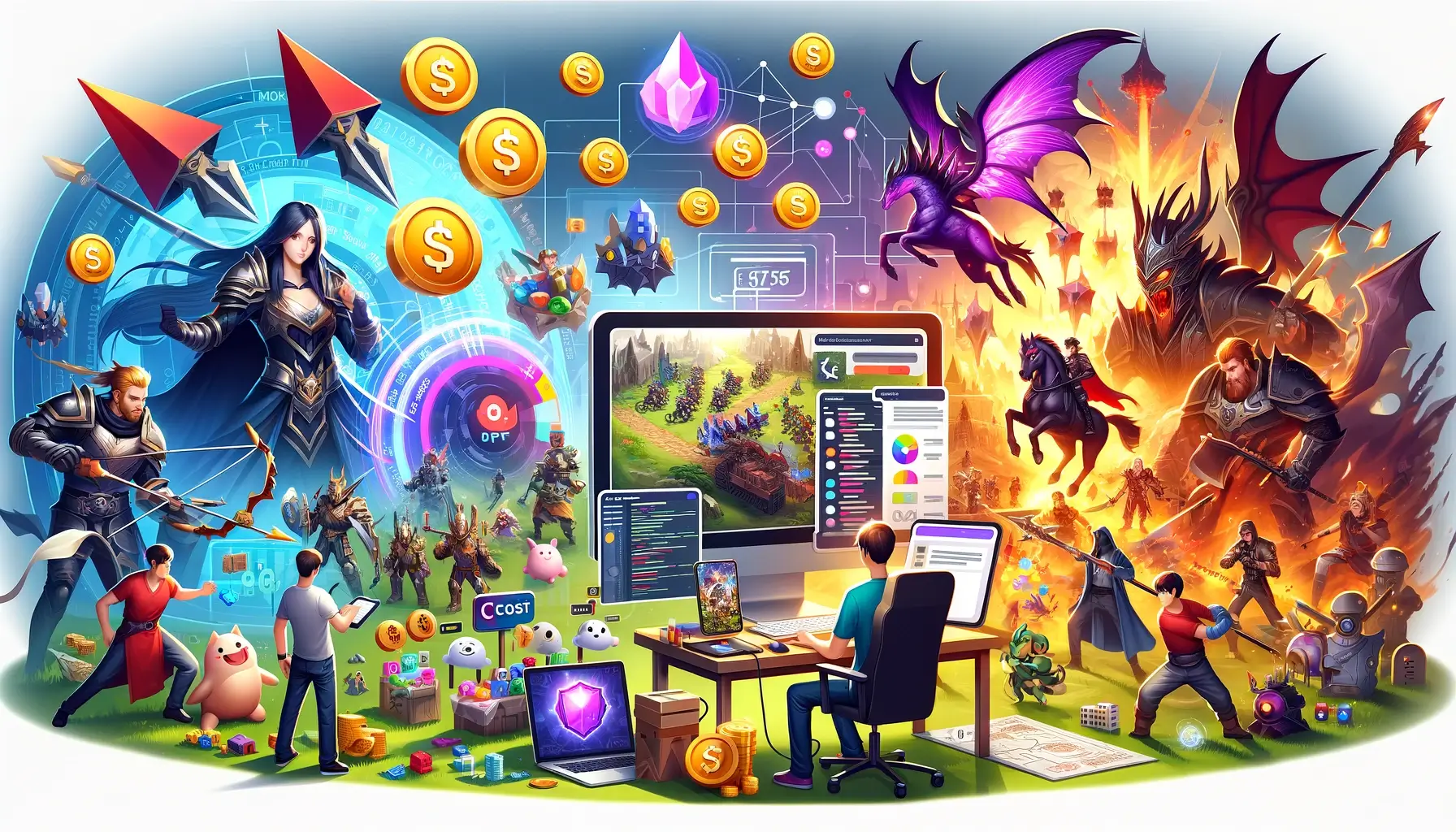
With the rise of mobile gaming, titles like Lords Mobile have captured the attention of millions of players worldwide. This real-time strategy game, known for its MMO elements, engaging world-building, and resource management, has become a significant player in the mobile gaming market.

Mobile games are gaining popularity by leaps and bounds over the years. The advancing graphics and technology make mobile games alluring. According to Statista, the revenue of the mobile games market will reach US $286.50 billion in 2023 and has a CAGR of 7.08%. Approximately 62% of users download one or the other mobile game […]
Mobile gaming has grown rapidly in the past decade thanks to the lockdown and the new emerging technologies. In 2022, the mobile gaming market alone accounts for 50% ($92 billion) of the revenue and it is expected that it will reach 60% by the end of 2023. Raph Koster, an American Entrepreneur and Game Designer […]

It is no secret that smartphones have revolutionized the relationship between man and technology. No wonder it also includes the gambling culture of the present day. Technology seems to pave its way into almost every aspect of our lives. It literally comes to solving entertainment purposes and practical solutions. With smartphones at our disposal, it […]

Hospitality faces an $81 billion problem: 81% of travel bookings are abandoned before payment due to poor visualization. While 65% of guests will pay 25% more for immersive experiences, only 15% of hotels deliver effective personalization. This comprehensive guide explores how AR and VR technology are closing the experience gap—transforming booking conversion, staff training, and guest satisfaction with proven strategies and measurable outcomes.

The stethoscope was an innovation by Dr. René Laennec at a Paris Hospital, as he was uncomfortable about placing his ear on a female patient’s chest to listen to her heart sounds.
The term “isometric” refers to a perspective that presents a 2D environment in a 3D view, thus creating an illusion of three-dimensionality. If one looks back, one can find numerous iconic games that have been isometric.

With the immersive technology of AR/VR, 2023 is looking to be a big year for advancements in the industry. With virtual reality (VR) and augmented reality (AR) quickly becoming more accessible, many companies are turning to AR VR trends and VR app development companies to create new ways of experiencing the technology. As the effects […]

Both augmented reality and virtual reality have their roots in gaming. But they are very likely to change the whole as we know it. In the present-day world, these technologies already exist in some form or the other. Also, it is very likely to make the next big step into the world of gaming technologies. […]

Virtual Reality and Augmented Reality have witnessed accelerated growth, especially in the last couple of years. Most of it is due to the “new normal” ways becoming the norm. This is especially true with respect to communicating with others during the pandemic. Virtual, Augmented, Mixed, and Extended Realities are gradually intruding into our imagination. Before […]
Vuforia is a leading SDK for building AR experiences, and its integration with Unity streamlines the development of immersive 2D and 3D applications for gaming and consumer use. Developers benefit from rapid workflows, flexible image and object tracking, and broad device compatibility—including headworn and handheld platforms—enabling creative, high-performance AR solutions that can be easily customized and optimized using Unity’s robust tools. This combination empowers teams to create interactive content for diverse industries ranging from games to advertising and training.

Creating an application is tough. When you want to add something like Virtual Reality (VR) or Augmented Reality (AR) to your application, it becomes even more complex. However, with the right guidance and use of the right tools, you can easily create VR applications. If you’re here to learn how to easily create VR and […]

How do Augmented Reality and Virtual Reality impact the fashion industry? Augmented Reality: Irrespective of the specific subsect of industry, the marketing platforms depend heavily on technology and development to perfect their involvement in revolutionizing the interaction sector. Singling out a specific type of customers based on age may not be the best approach, yet […]
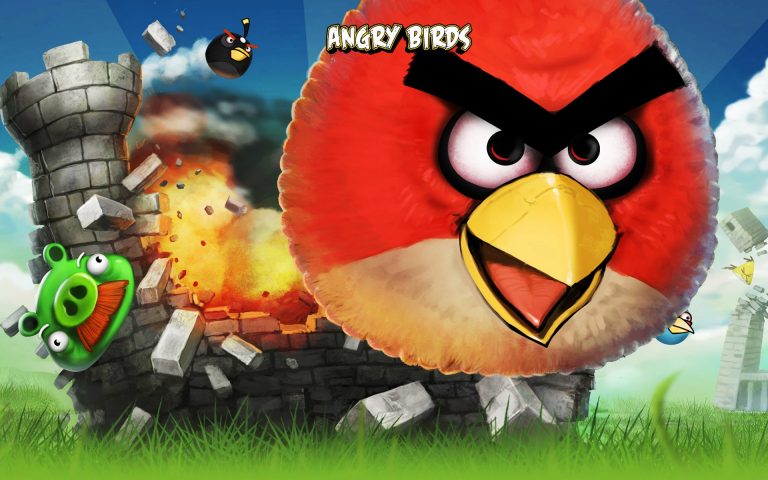
Angry Birds to come in AR and VR Angry Birds game is back, this time, in mixed reality. The creator, Rovio Entertainment has reimagined Angry Birds in virtual reality and augmented reality. “We couldn’t be more excited to partner with Rovio to bring their beloved franchise to VR,” said Tommy Palm, CEO of Resolution Games. […]
One of the most popular forms of online gaming these days is NFT games. Such games use Non-fungible tokens or NFT as rewards or in-game items. This unique game format can help players earn while playing, making it a popular genre. Such games are lucrative investments too. The NFT gaming market has grown significantly, reaching […]

Non-Fungible Tokens (NFTs) have revolutionized the digital landscape, offering unique opportunities across various industries. Understanding different types of NFT is crucial in this rapidly evolving space, so it’s important to know the various NFT types available and how they can be used. In this guide, we’ll provide an overview of the different types of NFT […]

Over the years, game developers have always been looking for ways to innovate and create new experiences. NFT game development offers an exciting opportunity to do just that. NFT or Non-Fungible Tokens are unique digital assets that are created on a blockchain network. NFTs can represent anything from virtual real estate, artwork, or even gaming […]

Non-fungible tokens are all the rage right now, and for a good reason. They offer a unique and exciting way to interact with digital content and assets. To create a successful NFT project, you must clearly understand the technology and the industry. If you want to develop a Non-Fungible Token project, you have come to […]

NFTs (non-fungible tokens) have been all the rage lately. And for a good reason! They offer a way to represent digital assets more securely and transparently than traditional methods. But what if there was a way to make them even better? This blog post will discuss how to create multifunctional fractionalized NFTs! So, if you’re […]

There’s no doubt that non fungible tokens (NFTs) are a hot topic in the blockchain and gaming communities. However, many people are still asking what real-world NFT use cases possibly have. This blog post will explore some of the most exciting possibilities for non fungible tokens use cases outside of the gaming world. We’ll look […]

How often have you been completely immersed in a video game, so much so that you forgot to eat or sleep? If you’re like most gamers, then the answer is probably quite often. Games have the ability to transport us to other worlds and immerse us in different cultures and experiences. With the recent rise […]

When it comes to blockchain gaming, there are two main ways to monetize your game: play-to-own and play-to-earn. Both methods have their benefits and drawbacks, so before selecting the right game, be aware of their differences. This article will discuss the differences between play-to-own and play-to-earn games. Let’s get started. An Overview of Play to […]

One of the exciting trends that will take over the gaming markets in the future is the NFT gaming trends, which are grabbing the attention of gamers in the digital world. Blockchain technology encrypts this particular game, generating incredible profits for the gaming companies as they work as a play-to-earn game. These companies have the […]

In December 2021, the ‘The Merge’ from the artist Pak was sold for $91.03 million. The sale broke the record for the most expensive art sold by a living artist. But unlike other expensive artworks, ‘The Merge’ had a difference. It was digital art. It was sold online and was collectively brought by 28,000 people […]

Juego Studios and Kevuru Games are both experienced game development partners, but they are trusted in very different production scenarios. Juego Studios is typically chosen as a co-development partner or full-cycle capabilities when teams need execution leadership, continuity, and coordinated delivery across development and post-launch stages.

Selecting an Unreal game development company in USA is essential for teams developing high-fidelity, performance-driven games. As visual standards rise and console and PC pipelines become more demanding, LiveOps readiness is now expected. While many studios promote Unreal expertise, few consistently deliver at a production-grade level.

The UAE gaming industry has transformed into the Middle East’s most lucrative digital entertainment market, exploding from $484.1 million to $1.16 billion. This comprehensive guide explores the regulatory revolution sparked by the GCGRA, the mobile-first dynamics driving 76% of gamers to smartphones, and emerging trends in phygital gaming, blockchain integration, and AI personalization. Whether you’re a developer, investor, or entrepreneur, discover the market insights, growth opportunities, and cultural considerations essential for success in the UAE’s rapidly expanding gaming ecosystem as 2026 unfolds.

Choosing the right game business model has become one of the most defining decisions for modern studios. In 2024, more than 70% of the global game industry’s $184+ billion revenue came from titles operating under long-tail business models such as GaaS, Early Access, and ecosystem-driven development. Meanwhile, over 68% of mobile studios report that shifting their game development business model – not just monetization – had the biggest impact on production velocity and launch success.

Gaming enters a new era in 2026, driven by AI-powered creation, accessible design, global market growth, and seamless multi-device play. These trends reveal how the industry is evolving—and what developers must prepare for as technology, players, and platforms mature together.

If you have decided to create a mobile game, then choosing between Android and iOS systems might be a bit of a hassle. Both systems being different in various aspects like design, development, marketing strategy, etc lead to enhanced confusion for the developers. Only a leading android game development company can do this task without […]

Are you eager to explore the world of game mechanics? Game mechanics are fundamental to every video game, from first-person shooters and role-playing games to puzzle and casual games.
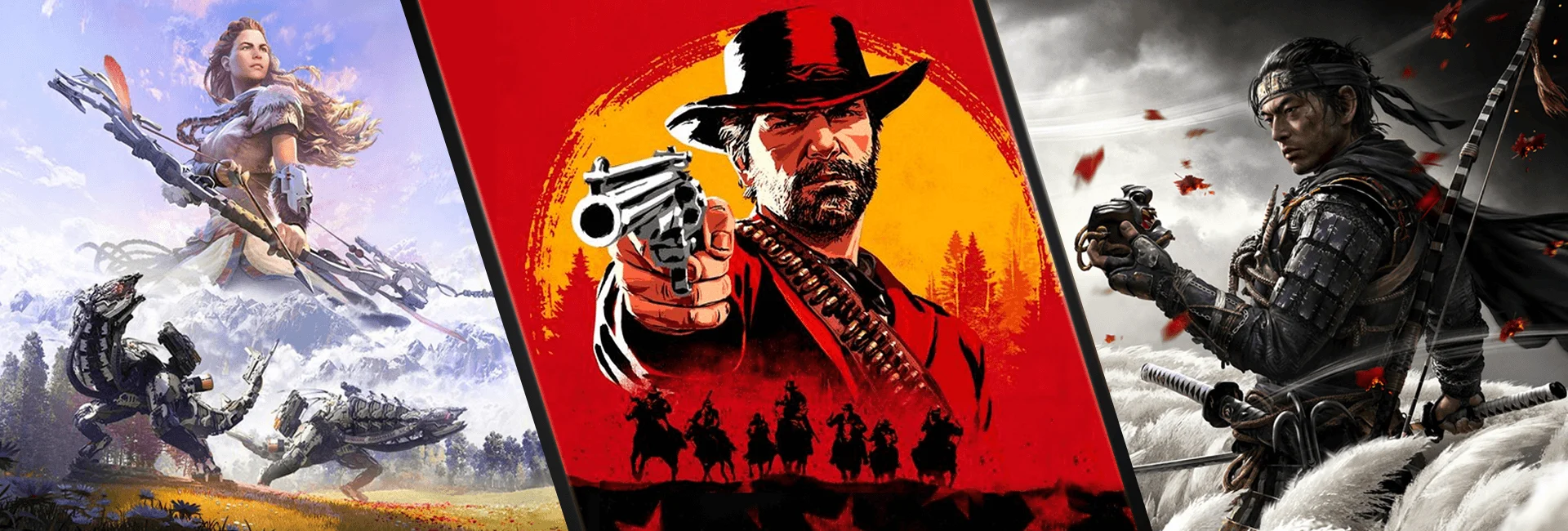
Storytelling in games has become a cornerstone that elevates gaming from simple entertainment to a form of dynamic, interactive art. Unlike traditional storytelling, games offer a unique narrative experience where players are not mere spectators but active participants shaping the story’s direction and outcome.

The hyper casual gaming industry has exploded in recent years, and this growth will likely continue for a while. As technology advances, the games available become more expansive and engaging, pushing boundaries of what players can experience. With this in mind, it is imperative to understand what trends will define the hyper casual gaming industry […]
How does game porting work? This is one of the most frequent questions game developers ask as they look to expand their reach and take advantage of the different platforms available today. The game porting process is an important part of how developers can leverage the different platforms for their game, allowing them to reach a […]

Unity still matters in 2026 because it sits at the intersection of speed, scale, and accessibility. If you’re building for mobile, experimenting with live features, or shipping across platforms without overextending your team, Unity game development remains one of the most practical paths forward. That relevance is reflected in the broader engine economy as well.

Unity has quietly become the backbone of modern mobile and cross-platform game production. From live-service mobile titles to scalable PC builds, it’s no longer just about using Unity. It’s about whether a studio can ship, scale, and sustain production without cracks showing later.

If there’s one engine that has quietly reshaped how modern games are produced, it’s Unity. Built for both creativity and scalability, Unity enables studios to build once and deploy everywhere, reducing costs, accelerating delivery, and empowering teams to focus on innovation instead of infrastructure.

As we look to the future of gaming, Unity 6 stands out as a significant milestone in the evolution of game development. This latest iteration of the renowned game engine brings a host of new features and improvements, promising to reshape the landscape of the gaming industry.

Unity game development cost remains a key consideration for studios planning new projects as Unity continues to be one of the most reliable and flexible engines in 2026. Cross-platform capability, stable performance, and extensive asset ecosystem make game development using Unity suitable for both indie teams and large studios. The engine’s scalability allows developers to handle everything from quick prototypes to complex 3D productions within a unified workflow.

Unity has powered some of the most iconic games across genres, from indie gems like Hollow Knight and Cuphead to global hits like Pokémon GO and Genshin Impact. This blog explores the best Unity games that highlight the engine’s versatility and creative potential.
Discover how Unity continues to shape the gaming world through innovation, accessibility, and artistic excellence.
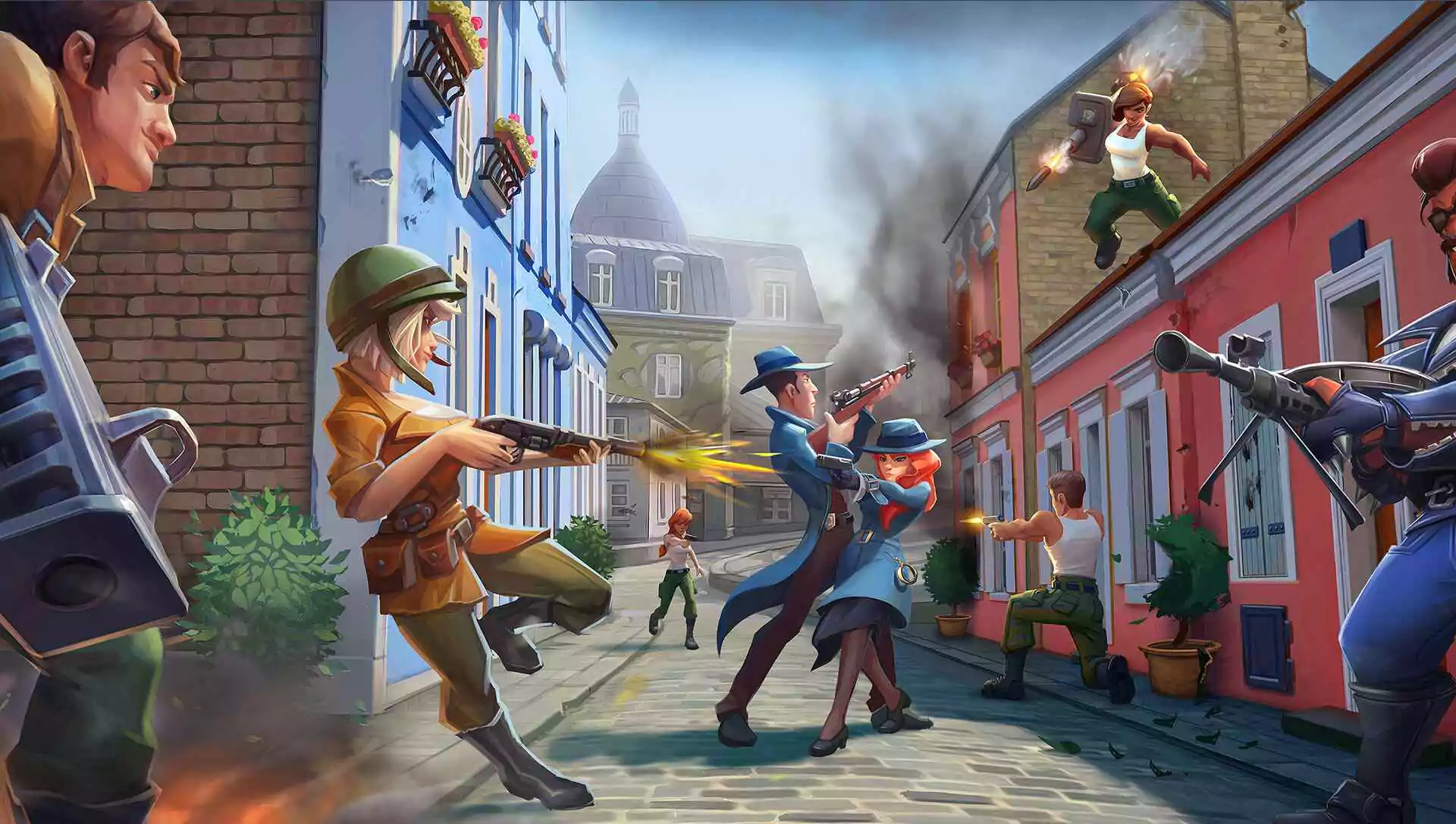
The importance of hiring skilled Unity game developers cannot be overstated, as they play a pivotal role in shaping the success and quality of any game development project.

Switching between Unity, Unreal, Git, and Perforce often feels like juggling four different workflows, and dropping any one of them can cost time, money, and sanity. At Juego Studios, we help you bring it all together into a single, streamlined pipeline.
Unity is the world’s leading game development engine, powering 71% of the top 1,000 mobile games and serving over 2 billion people worldwide. This powerful cross-platform development tool allows creators to create immersive experiences for over 20 platforms using a single codebase.

Multiplayer games have been around for a while, but they are becoming increasingly popular today. Thanks to online gaming, friends in different locations can play the same game using different hardware like consoles, computers, and mobile devices.

Virtual reality is reshaping the manufacturing industry by offering many benefits that can help companies significantly reduce downtime costs. It’s become a must-have tool providing solutions to many of the long-standing problems manufacturers face globally.

Think VR is only for gaming? It’s time to look again. In today’s competitive day and age, Virtual Reality (VR) is no longer just a tool for gaming companies; it has evolved into a powerful tool for enterprise training and simulation across different industries.
The stethoscope was an innovation by Dr. René Laennec at a Paris Hospital, as he was uncomfortable about placing his ear on a female patient’s chest to listen to her heart sounds.

In the ever-evolving world of video game development, one of the most intricate challenges developers face is simulating realistic hair movement in real-time environments. Hair simulation in games significantly impacts character design, enhancing realism and player immersion.
Multiplayer Online Battle Arenas (MOBA) have become a major force in gaming, keeping players hooked with their strategic gameplay and competitive action for over a decade.

Virtual reality (VR) technology has transcended its origins in the gaming industry to become a powerful tool across various non-gaming applications. From revolutionizing education and healthcare to enhancing training and simulations in the automotive and heavy industries, VR opens up new possibilities for immersive and engaging content.
Virtual reality (VR) technology has revolutionized how we experience digital environments, but there is still room for improvement. By integrating artificial intelligence (AI) into VR experiences, developers can enhance the experience by creating more immersive, personalized, and interactive environments.
Forget clunky headsets and lonely nights battling pixelated dragons. The future of gaming is a vibrant virtual world that is as enchanting as reality.
The collaboration of Generative AI and Virtual Reality (VR) is revolutionizing the training and education landscape. This powerful amalgamation offers an immersive and interactive learning environment, vastly enhancing the educational experience beyond traditional methodologies.

VR training in the oil and gas industry can go a long way in improving employee safety and ensuring preparedness. Here’s why: Hazardous chemicals, flammable gases, adverse weather conditions, heavy equipment, and dizzying heights – workers on oil rigs and gas plants face all these safety hazards, and more.
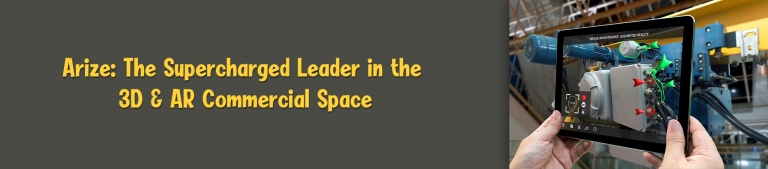
There has been an immense increase in the use of augmented reality and 3D Visualization in the last few years. By 2025, businesses are expected to spend 200 billion dollars on artificial intelligence and machine learning. And this has predominantly increased due to the rise of the Metaverse and other futuristic technologies like augmented reality […]

Augmented Reality games are the new movement in gaming nowadays and for posterity as well. It is pretty evident from the world-famous game Pokémon Go. It’s an AR games that has garnered millions of downloads worldwide. This response of gamers is enough to show how well they embrace AR. But what makes Augmented Reality Games […]

Augmented Reality Mobile Games is a technology that has become popular over the years. There are now several AR games in the market, including the well-known Pokemon Go. AR game developers and technology creators are investing millions now. Big franchises like Harry Potter and Jurassic Park have joined the long line of Augmented Reality mobile games. […]

Technology has evolved multifold in the last decade. One such impactful evolution is in the domain of Augmented Reality. It has drawn horizons for brands to adopt virtues and display a greater, dynamic picture to the audience. The most significant shift in technology adoption would be AR through smartphones. AR App Developers are in a […]

The wait is finally over; the fifth-generation (5G) wireless network has made its neat landing on our reality hemisphere! An innovation that could drastically change the history of communication networks, 5G will empower us with the capability of a completely associated world. We have been told that 5G possibly modifies the way we collaborate with […]

Mobile games are progressively spanning the gap between the digital world and the physical world; it enables players to wholly explore the virtual world encompassing them in a more active form of game-play. An exploding horde of more than 2.5 million gamers across the globe and an expected revenue of over $100 million dollars in […]

The year 2019 has gone by, leaving some vivid records in the field of Augmented Reality. Augmented reality is making waves in the digital technology industry. Its superimposition powers of making virtual objects to reality are cheered in this digital technology era. The business world believes that augmented reality has future potential. It is also […]
The industrial broadening in a market-driven world applies equally to the digital world. While the virtual purchases and consumerism are heightening at an unbeatable pace, Augmented reality due to its immersion features is growing in strength and favor. The familiarity with which AR is perceived and applied to a varied chain of industries is allowing […]

Trends in the division of business and technology are constantly shading old ones and giving birth to advanced technologies, the current 2020 trendsetters being apps focused on mobiles and AR. By partnering the two renewed tools, predicts a successful user satisfying result that is destined to generate higher revenue. Even though the existence of AR […]

The relevance of Mobile phones started with the benefit of communication, however, mobiles have crept in and have become an integral part of our daily lives. In that case, anything, that is inaccessible through a mobile phone is considered vexing. So, if AR does not grow mobile browser compliant, it could remain stagnant and would […]